
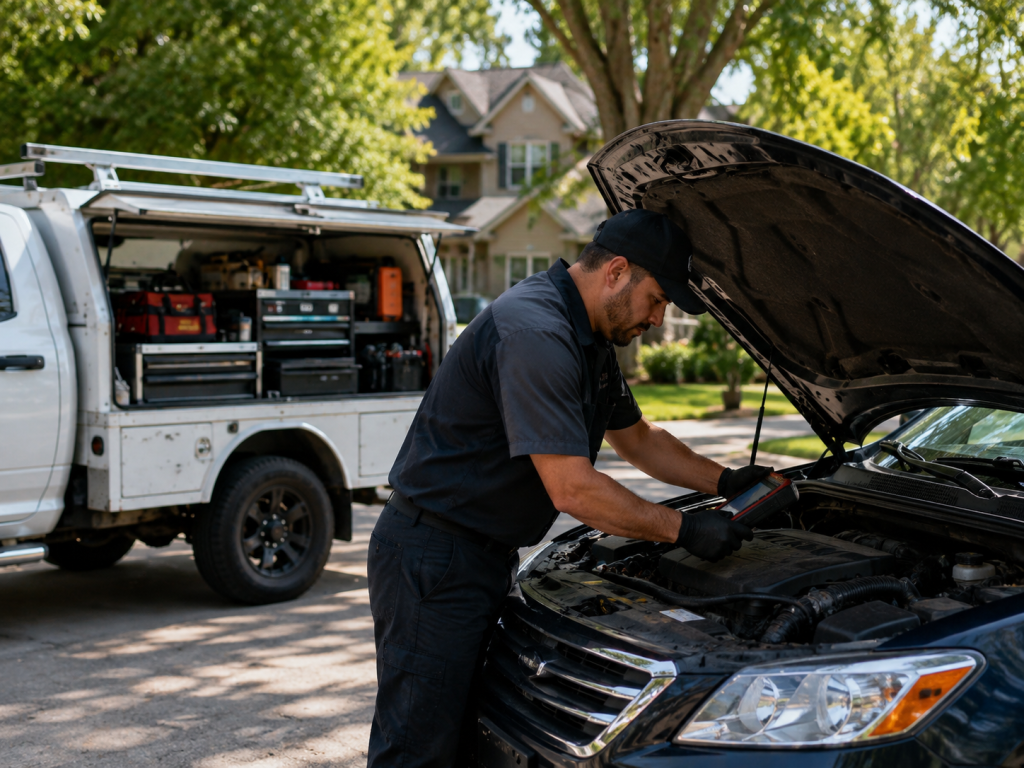
Columbia sits right in the heart of South Carolina’s Midlands region, and summer here does not play around. Triple digit heat index days are common through July and August, and the lack of any real elevation or coastal breeze to take the edge off means the heat tends to settle in and stay put for weeks at a time. That kind of sustained heat puts real pressure on a vehicle’s cooling system, and getting ahead of it before the hottest stretch of summer arrives is one of the smartest things a Columbia driver can do.
Why Columbia’s Summer Heat Is Especially Tough On Cooling Systems
Your cooling system is designed to pull heat away from the engine and dissipate it through the radiator, relying on airflow to carry that heat away efficiently. In Columbia’s summer conditions, ambient air temperatures alone are already high enough to reduce how effectively a radiator can shed heat, and when you add in stop and go traffic on routes like I 26 or the congestion around Two Notch Road during rush hour, reduced airflow at low speeds compounds the problem further.
A cooling system that is in good working order can generally handle Columbia’s summer heat without much trouble, but any existing weakness, whether that is low coolant, an aging radiator, or a thermostat that is not functioning properly, becomes far more likely to cause a real problem once temperatures climb into the triple digits for an extended stretch.
Cooling System Checks Worth Doing Before Summer Peaks
Checking coolant levels and condition is one of the most basic yet important steps, since coolant that is old or contaminated loses some of its ability to transfer heat effectively, even if the level itself appears adequate. Having your coolant flushed and refilled according to your manufacturer’s recommended schedule ensures the fluid itself is doing its job properly heading into the hottest months.
Inspecting hoses for cracking, bulging, or softness matters as well, since a hose that fails during a hot summer drive can cause a rapid loss of coolant and lead to overheating within just a few minutes. Belts should be checked too, since a worn or slipping belt can affect the water pump’s ability to circulate coolant properly, reducing the cooling system’s overall effectiveness right when it needs to perform at its best.
Confirming your radiator fan engages properly when the engine reaches operating temperature is another worthwhile check, particularly for anyone who spends significant time in stop and go traffic where airflow from actual vehicle movement is limited and the fan becomes the primary source of cooling airflow across the radiator.
Warning Signs Of A Failing Radiator
A radiator nearing the end of its useful life often gives off warning signs before it fails completely, and catching these early can prevent a full breakdown during Columbia’s hottest weeks. A temperature gauge that runs consistently higher than normal, even before reaching a dangerous level, can indicate a radiator that is no longer dissipating heat as effectively as it once did.
Radiators typically last somewhere between eight and ten years under normal conditions, though Columbia’s consistently intense summer heat can shorten that lifespan for vehicles that spend most of their time here rather than in a milder climate. If your radiator is approaching or past this age range, it is worth having it inspected proactively rather than waiting for one of the more obvious failure signs to appear during the hottest part of the year.
Visible coolant leaks, sometimes appearing as a puddle under the front of the vehicle after it has been parked for a while, often point to a radiator seam or connection that has developed a leak over time. Discolored or rusty looking coolant, visible corrosion on the radiator itself, or coolant that appears sludgy rather than clean can all indicate internal radiator problems that reduce cooling efficiency even before an obvious leak develops.
A sweet smell, sometimes noticeable inside the cabin or from under the hood, frequently indicates a coolant leak somewhere in the system, and steam coming from under the hood is a clear sign that the cooling system has already been overwhelmed and needs immediate attention. If your vehicle has ever struggled to start after sitting in extreme summer heat, our guide on the top 10 reasons your car won’t start and how to get back on the road covers several causes that can be related to heat stress on various vehicle systems, including issues connected to an overheating cooling system.
Why Ignoring These Signs Gets Expensive Fast
An engine that overheats, even for a short period, can suffer damage well beyond the cooling system itself, including a warped cylinder head or a blown head gasket if the situation is not addressed quickly. A radiator issue that might have been a simple, affordable repair if caught early can turn into a far more expensive engine repair if a driver continues operating the vehicle after the temperature gauge has already climbed into dangerous territory.
Beyond the financial cost, dealing with an overheating breakdown during a Columbia summer afternoon is genuinely unpleasant, particularly if it happens on a busy stretch of highway with little shade and temperatures well into the nineties or higher. Waiting for a tow truck under those conditions is not just inconvenient, it can be genuinely uncomfortable and even a bit risky if you are stuck standing near traffic in extreme heat for an extended period.
Why A Mobile Mechanic Makes Sense For Pre Summer Cooling Checks
Given how uncomfortable it is to deal with car trouble during Columbia’s peak summer heat, having a technician come to your home or office to check your cooling system before the hottest months fully arrive saves you from dealing with a breakdown at the worst possible time. A mobile mechanic can inspect coolant levels, hoses, belts, and radiator condition right where your vehicle is parked, without requiring a trip to a shop during the very heat that makes cooling system problems more likely in the first place.
We covered the broader benefits of this approach in our article on why mobile mechanics are better than traditional auto shops in Columbia, which explains how convenience and proactive service come together, particularly valuable heading into another intense Midlands summer.
Get Ahead Of Overheating Before The Heat Peaks
Columbia’s summer heat puts real strain on cooling systems every single year, and the drivers who avoid a roadside breakdown are almost always the ones who caught a small issue early rather than waiting for a dashboard warning to force the issue. A little attention now, before the hottest stretch of the season arrives, can save you from a stressful afternoon stranded on the shoulder somewhere between downtown and the Vista with no shade in sight.
If it has been a while since your cooling system was inspected, visit our homepage to learn more about our services, or reach out through our contact us page to schedule a visit at your home or office before the next heat wave rolls through.
Staying ahead of cooling system wear is one of the simplest ways to keep your summer drives in Columbia stress free rather than spent waiting on the side of the road.